
If your facility budget still looks like a copy-paste of last year’s spreadsheet, you might be setting yourself up for costly surprises. Buildings age, equipment breaks down on its own timeline, and the cost of ignoring small problems tends to compound fast. Whether you manage a small office, a retail space, or a multi-tenant property, knowing when to overhaul your budget instead of tweaking it can save you thousands. This article walks through the warning signs that it’s time for a full rethink, not just a minor adjustment.
Your Maintenance Costs Keep Climbing Without Explanation
When repair invoices creep up year over year but nobody can point to a specific cause, that’s usually a sign your budget is reactive instead of planned. Facilities that operate on a fix-it-when-it-breaks model almost always spend more than those with scheduled upkeep — industry estimates suggest reactive maintenance can cost three to five times more than a proactive program once you factor in emergency labor rates, expedited parts shipping, and the ripple effect of unplanned downtime. If you find yourself constantly approving emergency work orders, it’s worth stepping back and looking at the pattern rather than treating each incident as isolated. Pull the last 12-18 months of invoices and sort them by system: HVAC, plumbing, electrical, roofing. A cluster of repeat repairs on the same equipment usually points to a deferred replacement decision, not bad luck. Also check who’s approving these expenses and how fast. If work orders are routinely rubber-stamped without a second look because “it’s an emergency,” you’ve lost the visibility needed to catch patterns before they become budget-breakers. A simple tagging system — noting whether a repair was preventable, age-related, or truly unforeseen — can turn a year of scattered invoices into a clear case for where planned investment should go next.
A good first step is tracking which systems generate the most repeat calls. Pull twelve months of work orders and sort by asset, not just by category, so you can see whether it’s one unreliable rooftop unit or a pattern across your whole HVAC fleet. Often it comes down to aging equipment nearing the end of its useful life. A general rule of thumb: once annual repair costs exceed 50% of replacement cost, or a unit is past 75% of its expected lifespan, you’re paying to prolong the inevitable rather than solving the actual problem. This means the smarter financial move is replacement planning rather than continued patchwork repairs. Build a simple capital forecast that ranks equipment by age, criticality, and repair frequency, then budget for phased replacements over three to five years instead of waiting for a failure to force an emergency purchase at a premium price.
- Compare repair spending across the last three years, line by line, to spot upward trends rather than one-off spikes
- Identify which single systems (HVAC, roofing, electrical) account for the largest share of costs
- Ask whether repairs are extending equipment life or just delaying an inevitable failure
- Flag any equipment repaired three or more times in twelve months as a replacement candidate
- Check if repair costs on aging units are approaching 50% of replacement cost, a common tipping point
- Watch for emergency or after-hours repair fees becoming a recurring line item
- Note whether the same vendor keeps returning for the same fix, a sign of a band-aid approach
Your Heating and Cooling Systems Are Underperforming
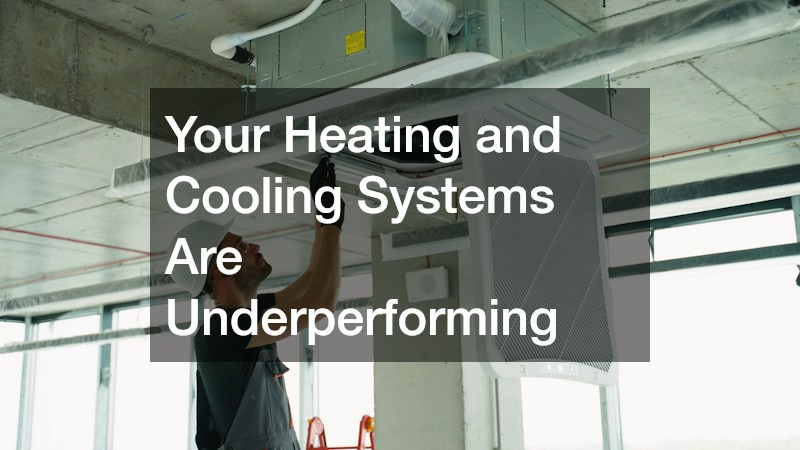
Uneven temperatures, rising utility bills, and frequent service calls are all signs that your climate control setup needs more than a line-item tweak. If certain rooms run hot while others need sweaters, or if your energy costs have crept up 15-20% without a change in usage, that’s your system telling you something structural is wrong. Many facility managers keep allocating the same modest amount for HVAC upkeep without realizing the system has outgrown that budget entirely. Age is another factor worth weighing honestly. Most commercial units are designed to last 15-20 years, and once you’re calling for repairs more than two or three times a year, you’re often paying to patch a system that’s already on borrowed time. At that point, the math tends to favor replacement over another round of repairs. Bringing in commercial HVAC companies for a full system assessment can reveal whether you’re dealing with a ductwork issue, an aging compressor, or a unit that’s simply undersized for the space. A thorough evaluation should also account for changes in occupancy or floor plan since the system was installed — added square footage, new equipment loads, or reconfigured layouts can all push a once-adequate unit past its limits. Getting real numbers on efficiency losses and repair frequency gives you the evidence needed to justify a bigger line item instead of guessing at next year’s budget.
Energy costs tend to be the clearest financial signal here. If your utility bills have risen faster than your square footage or occupancy, the equipment itself is likely losing efficiency, and that’s a capital planning issue rather than a maintenance one. A useful benchmark: HVAC systems typically lose 5-10% efficiency for every five years beyond their midlife point, so a 15-year-old rooftop unit straining through summer peaks isn’t a fluke, it’s the equipment telling you something. Watch for widening gaps between similar months year over year, not just a single bad billing cycle. It’s also worth looking at repair frequency alongside the cost trend. If the same unit has needed three or more service calls in a single season, or if technicians are increasingly suggesting patchwork fixes rather than root-cause repairs, you’re likely subsidizing an aging asset rather than maintaining a healthy one. Comfort complaints are another underused data point. Consistent reports of uneven temperatures, humidity swings, or rooms that never quite reach setpoint often show up well before the utility bill spike does, giving you an earlier window to plan a replacement rather than react to one.
Your Waste Removal Needs Have Outgrown Your Current Plan
Facilities change over time, whether through renovation, increased staff, or shifts in the type of materials being discarded. If your dumpster is overflowing weekly or you’re paying for extra pickups constantly, your waste budget line probably hasn’t kept pace with actual usage. Renting roll off dumpsters for larger cleanouts or ongoing construction debris is often far more cost-effective than repeated small hauls, especially when a facility is mid-renovation or handling a seasonal surge in waste.
It also helps to separate routine waste from project-based waste in your budget. Treating them as one line item makes it harder to see where costs are actually coming from and easier to underfund both.
- Track pickup frequency against your contracted service level
- Note any recurring overage fees on your waste invoices
- Separate construction or renovation debris costs from daily trash costs
- Reassess container size annually as occupancy or operations change
Your Plumbing System Keeps Causing Unplanned Downtime
Recurring clogs, slow drains, or backups in high-traffic restrooms and kitchens are rarely a one-time fluke. These issues tend to point to buildup deep in the line that basic maintenance won’t fix. Working with commercial drain cleaning companies on a scheduled basis, rather than only calling when there’s a backup, often costs less annually than the combined price of emergency visits and the downtime they cause.
If your facility serves food, handles heavy foot traffic, or operates older plumbing infrastructure, this is one area where a proactive line item pays for itself. Emergency plumbing calls are almost always priced higher than scheduled service, and repeated backups can also lead to property damage that never shows up in the original repair estimate.
Your Building Has Outdated or Failing Entry Systems
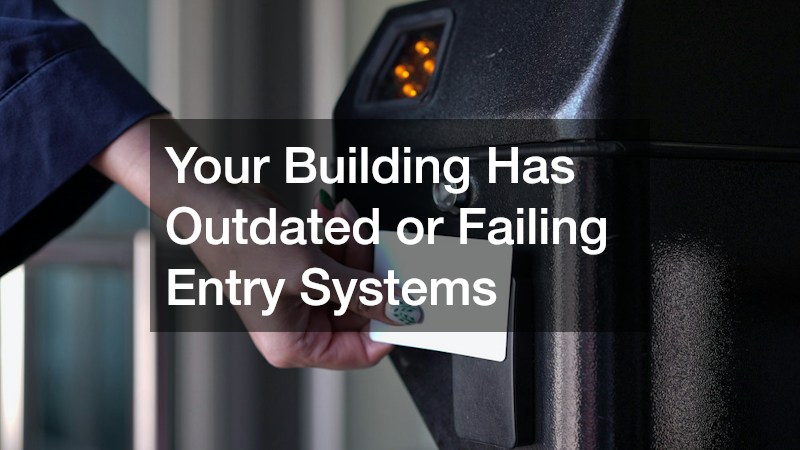
Security expectations have shifted, and many facilities are still running on locks and keys that were installed a decade or more ago. If you’re still budgeting for rekeying every time an employee leaves, it may be time to consider a modern access control system instead. These systems reduce long-term costs tied to lost keys, unauthorized entry, and the labor involved in manually managing who can get into which areas of your building.
Beyond security, there’s a real budgeting advantage to switching over. A single upfront investment often replaces years of smaller, recurring expenses related to locks, keys, and manual monitoring, which makes it easier to forecast costs going forward instead of absorbing surprise expenses each time staffing changes.
Your Garage and Loading Bay Doors Show Wear and Tear
For facilities with loading docks, warehouses, or vehicle bays, the doors themselves are workhorses that take a beating daily. Slow response times, unusual noises, or doors that no longer seal properly all point to components nearing failure. Getting garage door companies involved for an inspection before a full breakdown happens is almost always cheaper than an emergency repair that halts deliveries or shipments.
These doors also play a role in energy efficiency, since gaps and poor seals let conditioned air escape. If your facility budget hasn’t accounted for door maintenance in a while, it’s worth adding as its own line item rather than folding it into general building upkeep.
Your Outdoor Spaces Need Structural Attention

Facilities with outdoor seating, patios, or elevated walkways often overlook these areas in annual budgeting until a safety issue forces the conversation. Wood rot, loose railings, and warped boards are structural problems, not cosmetic ones, and they tend to get more expensive the longer they’re ignored. Bringing in a deck builder for an inspection can clarify whether you’re looking at a simple repair or a full rebuild, and that distinction matters a lot for how you allocate funds this year.
Outdoor structures also carry liability implications that indoor systems don’t always have. A structural failure that leads to an injury can cost far more than the maintenance budget that would have prevented it, so this is an area where being proactive has a clear financial upside.
Your Facility Isn’t Meeting Accessibility Requirements
Accessibility compliance isn’t a one-time checkbox, and needs can change as your facility’s visitors or employees change. If you’re fielding complaints about entryways, curbs, or transitions between floor levels, that’s a signal your current setup isn’t serving everyone who needs to use the space. Working with a wheelchair ramp company to evaluate entrances and transitions can prevent both accessibility complaints and potential compliance issues down the road.
This is also a category where costs are fairly predictable once you get a proper assessment, which makes it easier to budget for compared to reactive repairs. Addressing it proactively tends to be far less disruptive than retrofitting under pressure after a complaint or inspection.
Your Appliances Are Reaching the End of Their Lifespan
Break rooms, cafeterias, and shared kitchen spaces rely on appliances that see heavy daily use, and those units wear out faster than residential equivalents. If you’re seeing more frequent breakdowns in refrigerators, ice machines, or ovens, it’s a sign the underlying equipment is aging out rather than just having a bad month. Scheduling regular commercial appliance repair visits can extend the life of existing units, but at a certain point repair costs start to outweigh the value of keeping the old equipment running.
A simple way to evaluate this is comparing the cost of the last two repairs against a replacement estimate. If those numbers are close, replacement usually wins because it also comes with a warranty and improved efficiency.
Your Facility Generates More Paper Waste Than Your Plan Accounts For
Even in mostly digital workplaces, sensitive documents still pile up, and improper disposal creates real legal and security risk. If your team is stockpiling old records because there’s no efficient disposal system in place, that’s a budget gap worth closing. Partnering with a paper shredding company on a recurring schedule is typically more affordable than an annual bulk cleanout, and it keeps sensitive information from sitting around longer than it should.
This also ties into any larger renovation or demolition work happening on-site. When facilities bring in demolition contractors for a remodel or teardown, there are often old files and records uncovered in storage areas that need secure, documented disposal rather than just being tossed in a general waste bin.
A facility budget that hasn’t changed in years is rarely a sign that everything is running smoothly. More often, it means small issues are quietly becoming expensive ones. Take an honest look at where your money is actually going versus where it’s allocated on paper, and use the signs above as a checklist for where a deeper rethink might be overdue. The sooner you address these gaps, the more control you’ll have over costs instead of reacting to them.
