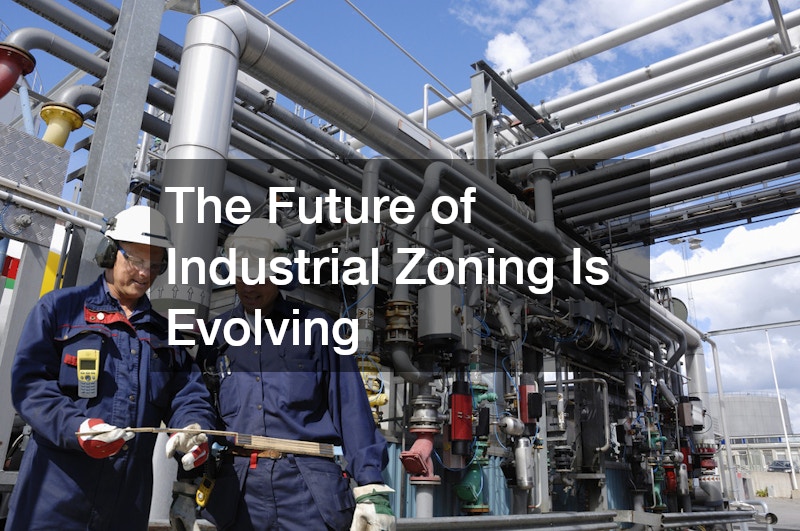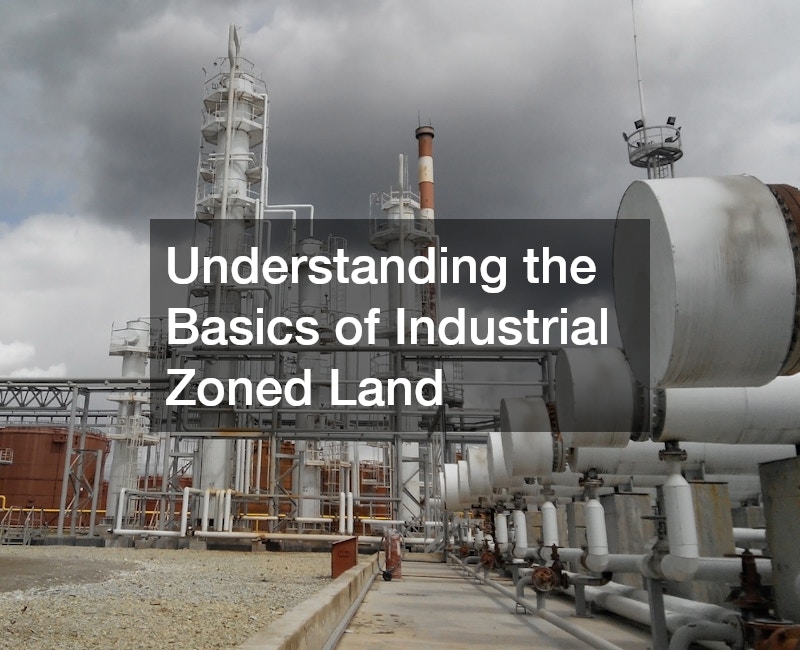
Industrial zoned land is designated for manufacturing, production, or storage operations within a community. It plays a crucial role in supporting economic growth by providing spaces for factories, warehouses, and other industrial purposes. As cities continue to grow, industrial zoning becomes a pivotal aspect of strategic city planning, ensuring that the industrial needs do not clash with residential or commercial areas. By exploring the intricacies of industrial zoning, we can appreciate its role in facilitating organized and sustainable urban expansion.
1. What is Industrial Zoned Land?
Industrial zoned land is a category of land use defined by local governments that allows specific types of business activities. These activities typically include manufacturing, warehousing, distribution centers, and other industrial operations. The designation ensures that these areas are set apart from residential zones, reducing conflicts and disturbances related to noise, traffic, and emissions. Industrial zoning regulations also help in maintaining a decent standard of living for nearby residents by segregating noisy and polluting industries from homes and schools. In essence, industrial zoning safeguards the well-being of communities while promoting industrial activity.
The zoning process itself involves assessing the needs of a region and allocating appropriate lands for industrial purposes. This involves comprehensive planning featuring demographic studies, economic forecasts, and environmental impacts. Urban planners work in conjunction with local businesses and community members to find a balance between development and quality of life. A region’s land use policies are instrumental in determining how industrial zones are distributed and governed. Collaboration between different stakeholders ensures that industrial zones are established considering the long-term needs of the community.
Another significant factor in industrial zoning is its impact on local economies. By designating specific areas for industrial development, cities can attract businesses that provide jobs and stimulate economic activities. These zones often become hubs for innovation and technology, spawning ancillary businesses and services that support major industries. The presence of industrial zones can lead to infrastructure development, such as improved roads and utilities, benefiting the community at large. Strategic location of industrial zones near transportation networks, like highways, railroads, and ports, facilitates easy access to markets, providing competitive advantages to businesses.
2. Why is Industrial Zoning Important?
Industrial zoning is important because it helps in organizing the spatial layout of a city, ensuring that various land uses coexist harmoniously. It provides a framework for systematically incorporating industrial activities into urban environments without causing disruptions. By delineating specific areas for industrial purposes, zoning laws help reduce potential conflicts with residential and commercial zones. This separation minimizes pollution and maintains air and noise quality standards conducive to residential well-being. The effective use of industrial zoning can thus create a balanced urban environment where different land uses complement rather than impede one another.
Another vital aspect is its role in regional development. Industrial zones attract investment, leading to increased economic activities and job creation within the area. They serve as catalysts for growth by providing necessary infrastructure and a supportive business environment for industries to flourish. The concentration of industries within specific zones often leads to the development of similar businesses, creating economic clusters that enhance productivity. These clusters can spur innovation, as businesses collaborate and leverage each other’s strengths, fostering a dynamic industrial ecosystem.
Environmental conservation is another reason why industrial zoning is critical. By designating specific areas for industrial activities, zoning limits the surface area impacted by industrialization, preserving green spaces and natural habitats. Regulations within these zones enforce compliance with environmental standards, including waste management, emissions control, and resource usage. Industrial zoning offers a mechanism for holding businesses accountable, ensuring that they operate without adversely affecting the surrounding environment. This safeguards biodiversity and ensures that urban development is sustainable and environmentally responsible.
3. How is Industrial Zoning Implemented?
Implementing industrial zoning involves a series of strategic steps undertaken by local governments and urban planners. These steps include assessing current land use, evaluating regional industrial needs, and forecasting future growth. The implementation process often begins with extensive research and data collection to determine which areas are most suitable for industrial development. Planners must consider proximity to transportation networks, availability of utilities, and potential environmental impacts when designating industrial zones. Community feedback is typically sought during the planning process to ensure that the needs and concerns of residents are addressed.
Once the zones are designated, local authorities establish regulations governing land use, density, and the types of industries permitted. These regulations are designed to mitigate negative impacts such as pollution, traffic congestion, and noise. They include specific requirements for building designs, waste disposal methods, and emission controls to ensure that industries operate within acceptable standards. In many regions, zoning enforcement involves regular inspections and permitting processes to ensure compliance with established guidelines. This regulatory framework helps in maintaining order and predictability in urban development.
Industrial zoning implementation also requires collaboration between the public and private sectors. Governments often offer incentives such as tax breaks, grants, or infrastructure improvements to attract businesses to designated zones. Private sector partnerships can facilitate investments in infrastructure, technology, and workforce development that enhance the attractiveness of industrial zones. This collaborative approach ensures that industrial zones are well-equipped to meet the evolving demands of industry while contributing to the broader goals of urban development. The successful implementation of industrial zoning is contingent upon strategic planning, effective regulation, and cooperative stakeholder engagement.
4. What Challenges are Faced with Industrial Zoned Lands?
One of the primary challenges faced with industrial zoned lands is balancing industrial growth with environmental sustainability. The expansion of industrial zones can lead to habitat destruction, pollution, and increased resource consumption. Regulations must be enforced strictly to ensure compliance with environmental standards, which can be resource-intensive and require vigilant oversight. Urban planners often face the challenge of finding suitable locations for new industrial zones that do not encroach on environmentally sensitive areas. Addressing these challenges requires innovative solutions and a commitment to sustainable development practices.
Economic volatility poses another significant challenge to industrial zones. Global economic shifts, changes in trade policies, or fluctuations in commodity prices can affect the viability of industries within industrial zones. Businesses operating within these zones may face financial difficulties, leading to underutilized spaces and reductions in employment opportunities. Governments and planners must be agile, regularly revising zoning laws and offering support to businesses to ensure that industrial zones remain dynamic and resilient to economic changes. Strategic diversification of industries within a zone can mitigate risks and ensure stability.
Community opposition presents another challenge, as some residents oppose industrial development due to concerns over pollution, traffic, and noise. Ensuring that the community’s voice is included in the zoning process is vital for fostering acceptance and cooperation. Transparency and communication are key in managing expectations and highlighting the benefits that industrial zones can bring to a community, such as job creation and improvements in infrastructure. Navigating community concerns requires careful consideration and a commitment to addressing the socioeconomic impacts associated with industrial zoning.
5. How Can the Future of Industrial Zoning Evolve?
The future of industrial zoning can evolve by integrating advanced technologies that facilitate better planning and operation of industrial zones. Smart technologies can optimize resource use, reduce waste, and minimize environmental impacts, making industrial zones more sustainable. Geographic information systems (GIS) and data analytics can improve land use planning by providing real-time insights into patterns and trends. As smart city initiatives gain traction, the integration of technology into industrial zoning will become increasingly important for addressing the complex challenges of urban development.
Innovative economic policies can also play a role in shaping the future of industrial zoning. Governments may evolve traditional zoning frameworks by incorporating flexible zoning or mixed-use developments that combine industrial, commercial, and residential spaces. This can encourage the mixed-use development of urban areas and promote closer proximity between industries and their supply chains, reducing transportation emissions. The shift towards more adaptable zoning policies can revitalize urban areas and support sustainable economic growth.
Community engagement will likely evolve as well, playing a critical role in future industrial zoning processes. Planners can implement participatory approaches that involve residents more directly in decision-making, ensuring that zoning plans reflect community needs and aspirations. Providing opportunities for community members to partake in public consultations and feedback sessions can foster a more inclusive and equitable urban development process. The evolution of industrial zoning will therefore hinge on collaboration, adaptation to emerging technologies, and inclusive planning strategies.
The strategic allocation and regulation of industrial zones can promote economic growth, environmental sustainability, and societal well-being. While challenges exist, proactive planning and community engagement can mitigate potential issues and maximize the benefits of industrial zoned lands. As urban environments continue to evolve, industrial zoning will remain a critical tool in orchestrating comprehensible and sustainable urban landscapes. Through innovation, collaboration, and forward-thinking, cities can harness the potential of industrial zones to drive progress and prosperity.