
If you own a home, a rental property, or a commercial building, the vendors you choose to maintain and improve that property have a bigger impact on your budget than most people realize. A single poor hiring decision can lead to repeat repairs, wasted materials, and unexpected downtime that drains your finances for years. Strategic vendor selection is not about finding the cheapest bid; it is about finding partners whose quality and reliability actually lower your total cost of ownership over time.
This article breaks down where vendor choices matter most and how to evaluate them so you can make smarter, more cost-conscious decisions.
Understanding the True Cost of Vendor Decisions
Many property owners focus on the upfront price of a project without considering what happens after the work is finished. A low bid that leads to shoddy workmanship often costs more in the long run through callbacks, premature failures, and lost time. A roof repair quoted 20% below competitors might save money initially, but if it fails within two years instead of lasting the expected ten, the real cost includes a second installation, water damage repairs, and business disruption.
Understanding total cost of ownership means looking beyond the invoice to durability, warranty coverage, and how a vendor stands behind their work after payment clears. Ask vendors specific questions: What is the expected lifespan of the materials or work being performed? Does the warranty cover labor as well as parts, and for how long? Are there documented cases of the vendor honoring warranty claims without excessive pushback or delay?
Other hidden costs deserve equal scrutiny, including maintenance requirements, energy efficiency differences, and the vendor’s responsiveness when problems arise. A slightly more expensive HVAC contractor who answers emergency calls within hours saves money compared to one whose slow response turns a minor issue into a costly system failure. Building these factors into a cost comparison spreadsheet, rather than relying on gut instinct, gives decision-makers a clearer picture of which option actually reduces expenses over the project’s full lifecycle.
When you evaluate a vendor purely on price, you are gambling with variables you cannot see, like the quality of materials, the experience level of the crew, or the vendor’s actual capacity to deliver on schedule. A contractor bidding 15% below competitors may be cutting corners on certification, insurance coverage, or subcontractor vetting, all of which surface later as your problem, not theirs.
A slightly higher initial investment with a proven vendor frequently results in fewer disruptions and lower maintenance costs over the life of the project. Consider a facilities contract where the cheaper vendor saves you $8,000 upfront but requires two emergency callouts a year at $2,500 each, plus the cost of downtime while you wait for a fix. Within three years, the “savings” have evaporated and then some.
This is essentially total cost of ownership thinking: factoring in warranty terms, response times, parts availability, and the vendor’s track record for rework. Thinking in terms of five- or ten-year costs, rather than just the immediate invoice, changes how you compare quotes, and it often flips the ranking entirely. The vendor who looked most expensive on paper can become the clear financial winner once you price in reliability.
Roofing Choices That Protect Your Investment
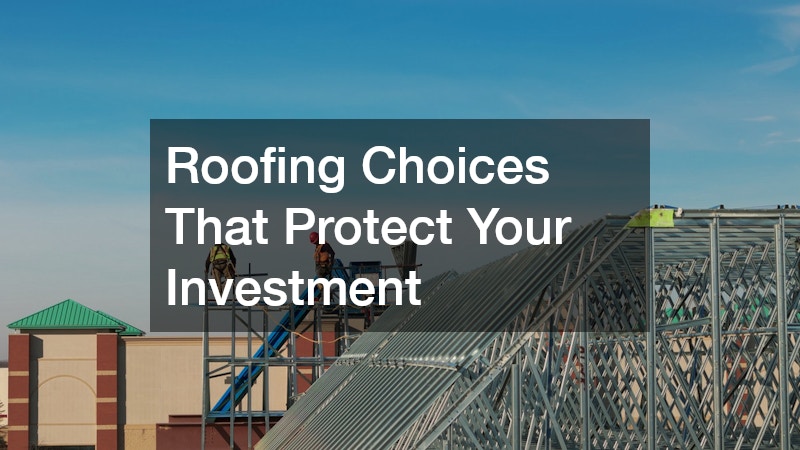
Your roof is one of the most expensive systems on any property, and choosing the wrong vendor can mean paying for the same repair multiple times. A reputable commercial roofing company will assess the full condition of your roof, not just patch visible leaks, so you get an accurate picture of what work is actually needed. Ask for a detailed inspection report and a clear explanation of materials before agreeing to any large-scale project.
One cost-saving option many owners overlook is roof restoration instead of full replacement. Applying commercial roof coatings can extend the life of an aging roof by several years at a fraction of the cost of tearing it off and starting over. This approach works best when the underlying roof deck is still structurally sound, which is why a thorough inspection matters before committing to any single strategy.
- Ask for references from projects completed at least three years ago to gauge long-term durability
- Request itemized quotes so you can compare materials, labor, and warranty terms separately
- Confirm whether coatings are appropriate for your roof type before ruling out replacement
- Verify licensing and insurance to avoid liability if something goes wrong during the project
Building New or Renovating Wisely
Any time you add square footage, convert a space, or start a ground-up project, the contractor you select will shape your budget for years to come. Firms experienced in commercial construction understand permitting requirements, code compliance, and realistic timelines, which prevents the costly delays that inexperienced contractors often create. Delays are rarely just an inconvenience; they translate directly into extra rental payments, storage fees, or lost income if the property generates revenue.
Before signing a construction contract, ask how the company handles unexpected issues like hidden structural damage or supply shortages. A vendor with a clear change-order process and transparent communication will save you from surprise costs that appear halfway through a project. Getting this in writing upfront protects your budget far more than a verbal assurance.
Adding Value with Outdoor Amenities
For properties that include recreational features, the quality of construction directly affects long-term maintenance costs. Working with experienced commercial swimming pool builders ensures proper drainage, filtration, and structural work that prevents expensive repairs down the line. Cutting corners on pool construction often leads to cracked shells, failing pumps, or code violations that cost far more to fix than they would have to build correctly the first time.
Outdoor spaces beyond the pool also affect both curb appeal and operating expenses. A well-planned commercial landscaping strategy reduces water usage, prevents erosion, and minimizes the labor hours needed for upkeep each season. Choosing native or drought-tolerant plantings, along with efficient irrigation systems, can meaningfully lower your monthly maintenance bills.
- Ask pool builders about warranty coverage on both the shell and mechanical systems
- Request a maintenance schedule estimate before construction begins
- Choose landscaping designs suited to your local climate to reduce watering costs
- Confirm irrigation systems include rain sensors or smart controllers to avoid waste
Windows, Doors, and Entryway Efficiency
Entry points are one of the most common sources of energy loss and security vulnerabilities on any property. A qualified commercial glass company can recommend window systems that improve insulation, reduce glare, and even lower HVAC costs by minimizing heat transfer. Older single-pane windows are often responsible for a noticeable percentage of a building’s total energy loss, so upgrading them can produce measurable savings on utility bills.
Doors take significant daily wear, especially in high-traffic properties, and choosing the wrong replacement can mean recurring repair calls. Planning a commercial door replacement with attention to hardware quality, weatherproofing, and proper installation reduces the odds of warping, sticking, or air leaks later. It also pays to ask whether the installer offers a labor warranty separate from the manufacturer’s product warranty, since installation errors are a common cause of early failure.
- Compare energy ratings on glass and door products before choosing a vendor
- Ask about installation warranties in addition to product warranties
- Request a written timeline so entryway work does not disrupt daily operations longer than necessary
The Overlooked Cost of Administrative Vendors
Not every cost-saving decision involves physical construction. Administrative vendors, particularly those handling payroll services, can significantly affect your operating expenses if errors occur or compliance issues arise. A single missed filing deadline can trigger IRS penalties starting at 2% of the unpaid deposit and climbing to 15% the longer it goes uncorrected.
Misclassifying an employee as an independent contractor carries similar risk, often resulting in back taxes, unpaid benefits, and fines that can reach thousands of dollars per worker once state labor boards get involved. Inaccurate wage calculations create their own liabilities too, from overtime disputes to lawsuits under the Fair Labor Standards Act, which can cost far more in legal fees than the annual price of a dependable provider.
These are not rare, isolated incidents. Small and mid-sized businesses frequently underestimate how quickly payroll errors compound, since one incorrect tax table or benefits deduction can ripple across every pay cycle until it’s caught. Choosing a vendor with strong compliance safeguards, transparent reporting, and responsive support upfront is almost always cheaper than untangling the fallout later.
When evaluating a payroll partner, look beyond the monthly fee and consider the accuracy guarantees and support they provide. A provider who catches errors before they become costly problems is worth more than one who simply processes numbers without oversight. For example, a missed tax filing deadline can trigger IRS penalties starting at 2% of the unpaid amount and climbing to 15% the longer it goes uncorrected, so proactive error-checking isn’t a luxury; it’s insurance.
Ask how they handle updates to tax law or benefits changes, since staying compliant protects you from unexpected fines. Find out whether compliance monitoring is automatic or something you have to request, and whether updates are reflected in real time or only at the next billing cycle. Also clarify what happens when an error does occur: does the vendor absorb the penalty, or does that cost fall back on you?
Finally, weigh the value of dedicated support against a shared help desk. A named account representative who understands your business can resolve issues in hours rather than days, and that responsiveness often saves far more than a marginally cheaper contract.
Visibility and Brand Presence
For property owners who lease space to tenants or run a business on-site, visibility can directly affect occupancy rates and foot traffic. Well-designed signage helps visitors find your location easily and creates a professional first impression that supports higher perceived value. Poorly maintained or outdated signage, on the other hand, can quietly cost you business without you ever realizing why inquiries have slowed.
Marketing materials also play a role in cost efficiency, particularly for property managers hosting events or working with vendors and tenants. Ordering custom promotional items in bulk from a reliable supplier tends to reduce per-unit costs while keeping your brand consistent across every touchpoint. Choosing quality items over the cheapest option available prevents the waste of unused, low-quality giveaways that end up in a landfill instead of a customer’s hands.
- Choose illuminated or reflective signage for properties with limited nighttime visibility
- Order promotional items seasonally rather than all at once to avoid storage issues
- Request material samples before committing to large signage or promotional orders
How to Vet a Vendor Before Signing Anything
A little research before signing a contract can prevent months of frustration and unexpected expenses later. Start by verifying licensing and insurance directly with the issuing agency, since a certificate can expire or lapse without notice. Check for complaints filed with local consumer protection agencies, the Better Business Bureau, or relevant industry boards, and note how any disputes were resolved.
It also helps to ask for at least three references — ideally from clients with similar project scope or budget — and actually call them rather than relying solely on online reviews that can be manipulated. Ask specific questions: Did the vendor meet deadlines? Were invoices accurate? How did they handle mistakes or scope changes? A vendor’s answers to unexpected problems often reveal more than their marketing materials ever will.
- Confirm the vendor carries adequate liability and workers’ compensation insurance — request a certificate of insurance naming your business as an additional insured, and verify coverage limits meet or exceed your contract value
- Ask for proof of licensing specific to your state or municipality, and cross-check the license number against your local licensing board’s online database to confirm it’s active and unrestricted
- Request a written scope of work detailing materials, timeline, and payment schedule, including specific brand or grade of materials, milestone dates, and any deposit requirements
- Check how long the company has operated under its current name and ownership — a business that recently rebranded or changed hands may be sidestepping a poor reputation
- Search for pending litigation, liens, or complaints filed with the Better Business Bureau or state attorney general’s office
- Request three recent references from projects similar in size or scope to yours, and actually call them
Warning Signs That Signal Higher Costs Later
Certain red flags tend to predict problems well before a project begins. Vendors who pressure you into same-day decisions, refuse to put agreements in writing, or ask for full payment upfront are taking on far less risk than they are asking you to accept. Recognizing these patterns early can save you from a costly and stressful experience.
- Avoid vendors unwilling to provide a written contract or itemized estimate
- Be cautious of unusually low bids compared to multiple other quotes
- Watch for vague answers about licensing, insurance, or project timelines
- Question any request for full payment before work has started
Conclusion
Reducing operational costs on your property rarely comes down to one single decision; it is the cumulative result of choosing reliable, qualified vendors for every system that keeps your property running smoothly. From roofing and construction to landscaping, glass, and administrative support, each choice either protects your budget or slowly erodes it. Take the time to research, ask detailed questions, and compare vendors based on long-term value rather than the lowest upfront number. Doing so will put you in a stronger position to protect both your property and your finances for years to come.
