Distribution centers are under increasing pressure to move goods faster, store more inventory, and operate with higher efficiency while keeping costs under control. As e-commerce continues to grow and supply chains become more complex, warehouse operators are constantly searching for storage solutions that maximize space without sacrificing accessibility or safety. Traditional shelving and pallet racking systems often fall short when it comes to high-density storage needs.
In response to these challenges, many facilities are turning to more compact and space-efficient designs that allow them to store large volumes of goods in a smaller footprint. These systems are particularly valuable in industries that handle bulk products or large quantities of similar inventory items.
As warehouse real estate becomes more expensive and harder to secure, efficient space utilization has become a top priority.
One solution gaining widespread adoption is drive in racking, a high-density storage system designed to optimize warehouse capacity while maintaining operational efficiency. Its growing popularity reflects the broader shift toward smarter, more cost-effective distribution center design.
The Need for High-Density Storage in Modern Warehousing
Modern distribution centers are expected to handle significantly higher inventory volumes than in the past. With the rise of online retail and global supply chains, warehouses must store a wider range of products while maintaining fast turnaround times. This has placed enormous strain on traditional storage systems that rely on wide aisles and selective access.
One of the biggest challenges facing warehouse operators is space efficiency. As storage demands increase, expanding physical warehouse space is not always a viable option due to rising land and construction costs. Instead, companies are focusing on maximizing vertical and horizontal storage capacity within existing facilities.
High-density storage systems help solve this issue by reducing the number of aisles required and increasing pallet storage per square foot. This allows businesses to store more inventory without expanding their building footprint. In industries such as food distribution, manufacturing, and wholesale goods, this efficiency can translate directly into cost savings and improved operational performance.
At the same time, inventory management practices are evolving. Many businesses are now handling large batches of similar products rather than a wide variety of individual items. This shift makes dense storage systems more practical because they are designed for bulk handling rather than frequent individual item access.
How Warehouse Efficiency Is Driving Change
Efficiency has become one of the most important metrics in warehouse management. Distribution centers are not only responsible for storing goods but also for ensuring that products move quickly through the supply chain. Any delays in storage or retrieval can create bottlenecks that affect downstream operations.
Labor costs also play a significant role in warehouse decision-making. Facilities are increasingly looking for ways to reduce the time and effort required to move products in and out of storage. Systems that simplify forklift movement and reduce travel distance within the warehouse can significantly improve productivity.
Another factor influencing warehouse design is inventory turnover. Some products remain in storage for extended periods before being shipped, while others move more quickly. Storage systems that support different types of inventory flow are essential for maintaining flexibility in operations.
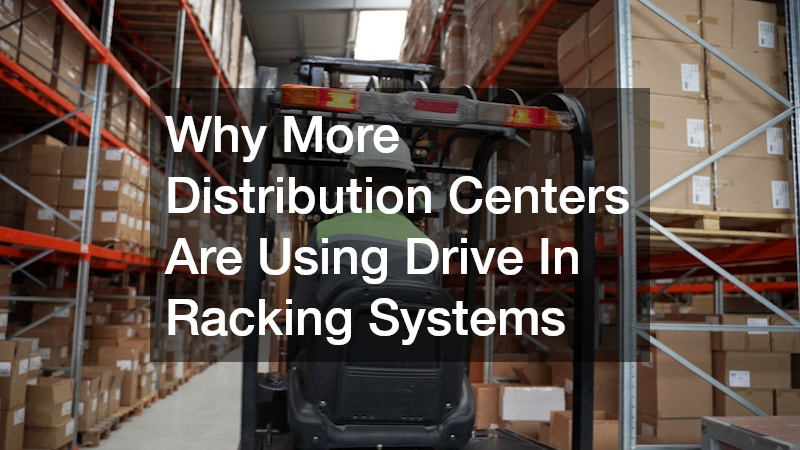
This is where drive in racking becomes particularly valuable. By allowing forklifts to enter storage lanes directly, it reduces the need for multiple access aisles and increases storage density. This design is especially effective for products with low turnover rates or bulk storage requirements, where space efficiency is more important than rapid item retrieval.
The Impact on Supply Chain Performance
Efficient storage systems have a direct impact on overall supply chain performance. When inventory is stored in an organized and space-efficient manner, it becomes easier to manage stock levels, reduce delays, and improve order fulfillment speed. This is particularly important in industries with high demand fluctuations.
Distribution centers that optimize their storage systems can respond more quickly to changes in customer demand. This flexibility helps reduce stockouts and improves service levels across the supply chain. In competitive markets, even small improvements in efficiency can lead to significant business advantages.
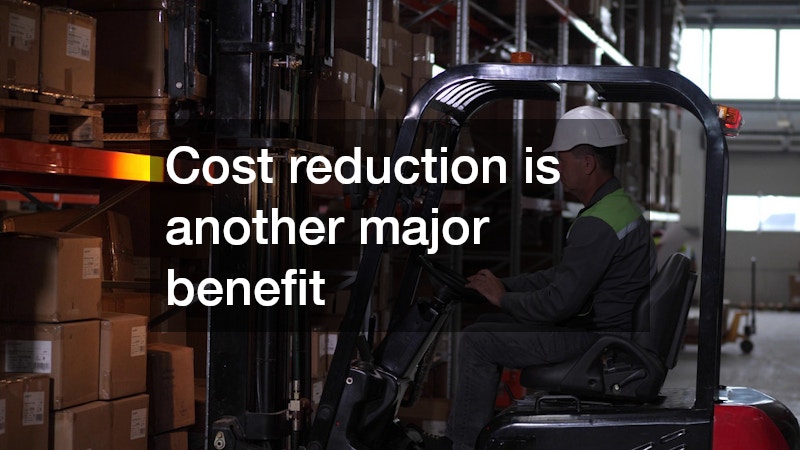
Cost reduction is another major benefit. By increasing storage capacity within existing warehouse space, businesses can delay or avoid the need for facility expansion. This helps reduce capital expenditure while improving return on investment for warehouse operations.
The adoption of drive in racking reflects a broader industry trend toward smarter, more scalable logistics infrastructure. As supply chains continue to evolve, companies are prioritizing systems that deliver both flexibility and efficiency.
Warehouse efficiency, safety, and cost control are now central considerations in storage system design. Companies must balance the need for quick access with the need for maximum storage capacity, especially in industries that handle large volumes of similar goods.
Modern logistics operations require adaptable systems that can support changing inventory patterns and evolving market demands. Storage solutions that prioritize space optimization while maintaining structural safety are becoming essential components of warehouse infrastructure.
As the industry continues to evolve, drive in racking will remain an important solution for facilities seeking to improve storage density and operational efficiency. Its ability to maximize space while supporting reliable warehouse operations makes it a valuable asset in modern distribution environments.